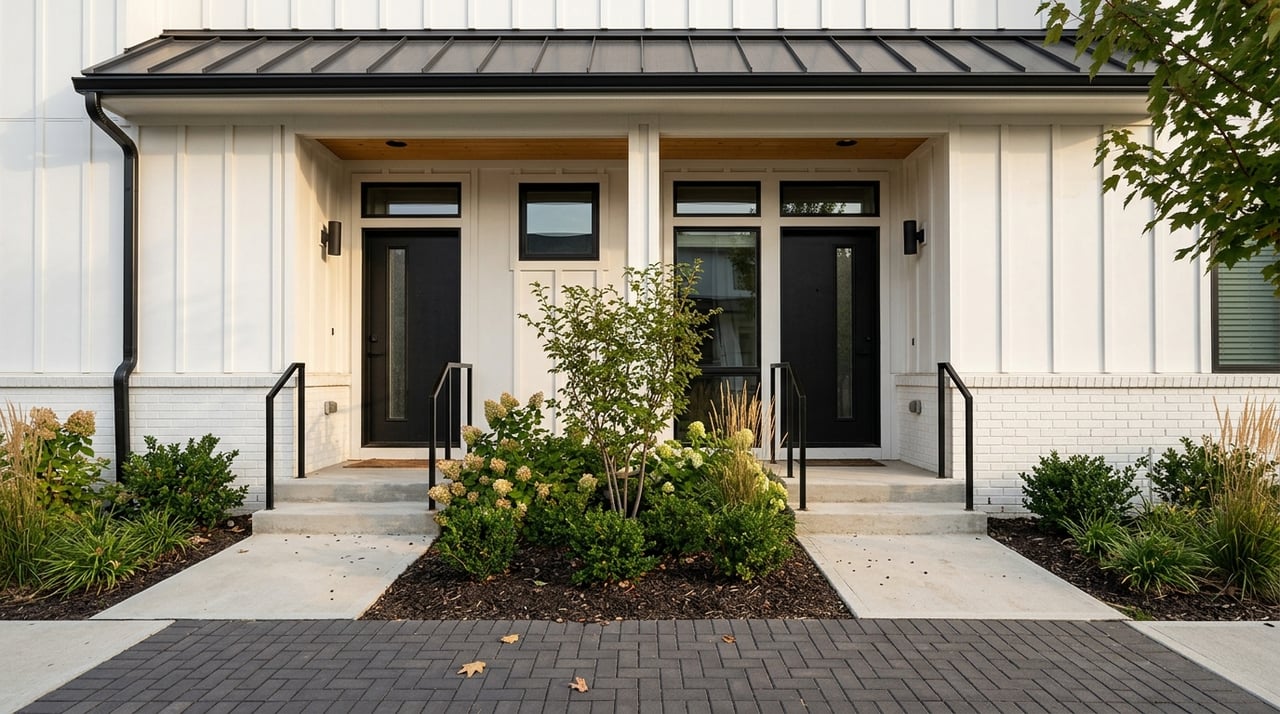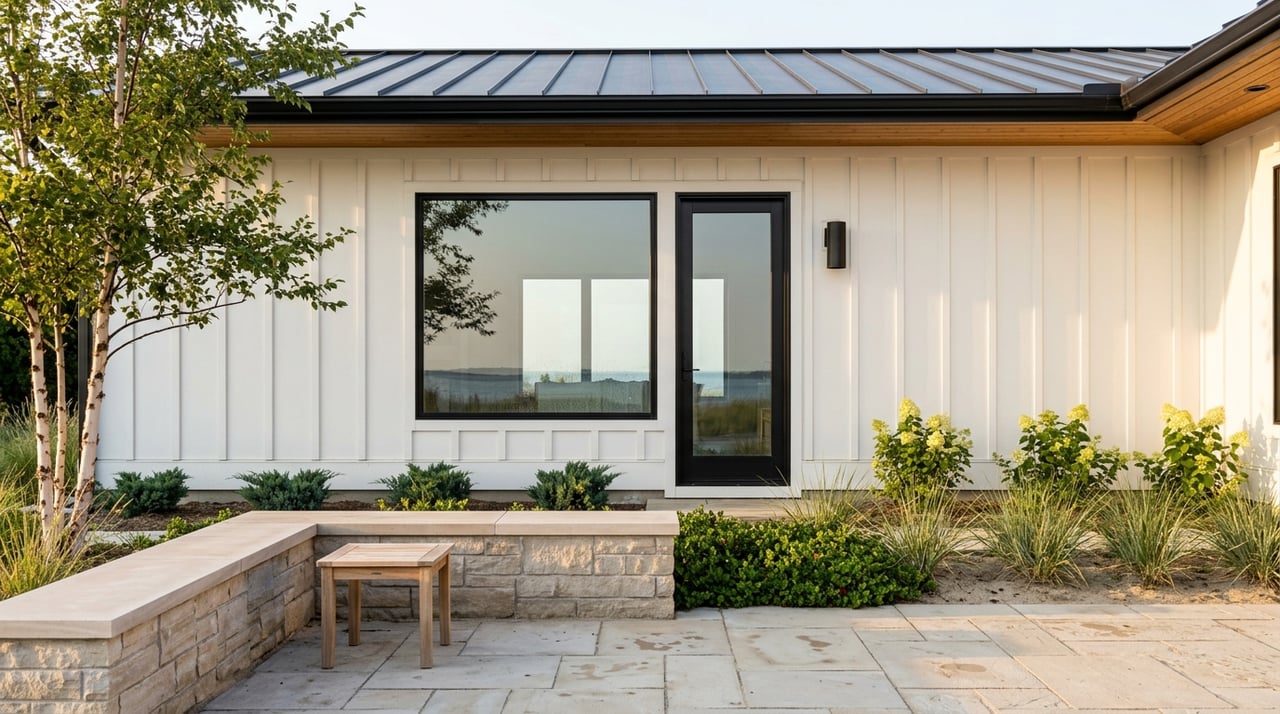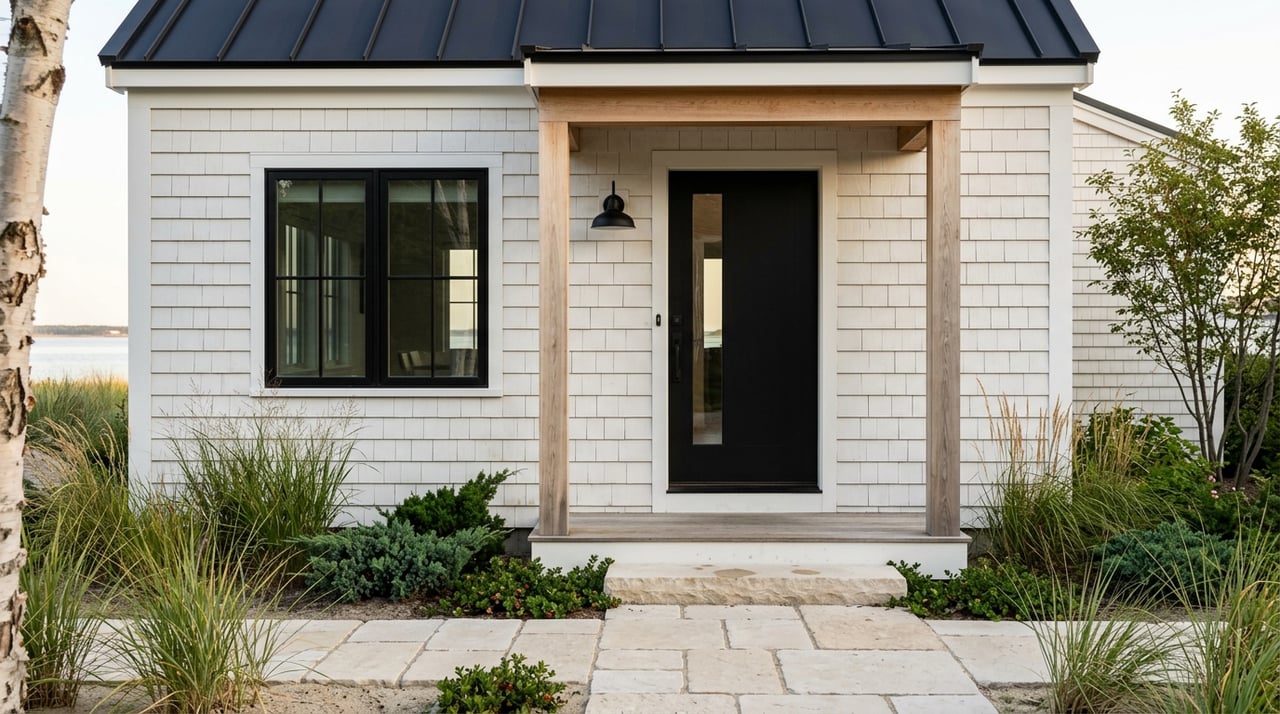
Waterfront living in Grand Haven can mean very different things depending on what you want from daily life. You might picture a low-maintenance condo near the harbor, a cottage-style home on a smaller lot, or a single-family property set near the dunes with a more private feel. If you are trying to figure out which version fits your goals, this guide will help you understand the options, the lifestyle, and the practical details that matter before you buy. Let’s dive in.
What Waterfront Living Means in Grand Haven
Grand Haven’s waterfront identity starts at the mouth of the Grand River, where it meets Lake Michigan. The city is closely connected to its harbor, beach, pier, downtown riverfront, and public shoreline spaces.
Grand Haven State Park adds to that appeal with 48 acres at the lake-and-river edge, including a half-mile of sandy Lake Michigan shoreline and river frontage. The city’s Waterfront Trail also creates a scenic 2.5-mile connection from the Lake Michigan shore to Harbor Island and Coho Drive along the Grand River and nearby shops.
That means waterfront living here is not just about owning a house on the water. In Grand Haven, it can also mean living near the harbor core, near public access points, or in neighborhoods shaped by the shoreline and river lifestyle.
Condos Near the Harbor
If you want a more urban and lower-maintenance lifestyle, the downtown and harbor area may be the best fit. Grand Haven’s planning framework supports mixed-use waterfront areas that combine public access, marinas, restaurants, festivals, recreation, and water views.
This part of the city tends to offer the most condo-like experience. Upper-story residential units and mixed-use buildings near the downtown edge can appeal to buyers who want walkability, easy access to the boardwalk, and a home base that keeps exterior upkeep to a minimum.
For some buyers, this is the easiest way to enjoy the waterfront without taking on the full maintenance needs of a detached shoreline property. You get closer to the energy of downtown and the harbor, with a lifestyle that often feels more lock-and-leave.
Cottages and Detached Homes Near the Shore
If your vision of waterfront living includes a porch, a smaller lot, or a more classic lakeshore feel, Grand Haven also offers detached homes in shoreline neighborhoods. The city’s planning documents describe the Dunes Neighborhoods and North Shore as natural-feature areas made up almost entirely of single-family detached dwellings.
South of the river, some neighborhoods reflect a resort-oriented history with smaller and varied lots and eclectic building forms. North of the river, the North Shore area is lower density and has more limited public access, giving it a different feel from the busier waterfront core.
You may also find older single-family areas such as Old Town and Southside appealing if you want a home that feels cottage-like in scale and character. These areas are not all the same, which is why it helps to compare block by block instead of assuming every waterfront-adjacent home offers the same experience.
How Lifestyle Changes by Area
One of the most important parts of buying in Grand Haven is understanding the difference between waterfront, water-view, and water-oriented living. A home close to the harbor or shoreline may offer easy access and strong lifestyle value even if it does not sit directly on the water.
Downtown-edge areas tend to feel more active and connected to shops, dining, festivals, and public gathering spaces. Shoreline neighborhoods can feel more residential, more seasonal, or more private depending on location, lot pattern, and public access.
Beach access is another key question. Grand Haven State Park, the boardwalk, and the Waterfront District all reinforce public access, while North Shore has more limited public access, which can shape how you use the waterfront from day to day.
What Summer Feels Like on the Water
Summer is when Grand Haven’s waterfront lifestyle is at its most energetic. The area is known for wide sandy beaches, Lake Michigan recreation, the lighthouses, the boardwalk, downtown patios, shops, galleries, live music, and seasonal events.
The Grand Haven Boardwalk offers a 1.5-mile paved path along the harbor, and the city’s waterfront gathering spaces stay busy with residents and visitors alike. The Musical Fountain and summer trolley service add to the ease and appeal of getting around and enjoying the season.
Signature events also shape the atmosphere. The Coast Guard Festival, the Grand Haven Kite Festival, and recurring fountain shows all support the city’s identity as a community built around the water.
What Winter Feels Like
Winter brings a quieter version of the same setting. The waterfront does not disappear, but the pace changes.
Grand Haven’s winter season is described as calmer and more local, with heated snow-melt sidewalks downtown helping support year-round usability. For buyers, that matters because some properties feel best as seasonal retreats, while others need to function comfortably through all four seasons.
If you plan to live in the home full time, winter comfort and maintenance become a bigger part of the decision. If you want a second home, you may care more about how easily the property can be secured and managed during colder months.
Key Ownership Questions to Ask
Before you fall in love with a view, it helps to look closely at the practical side of waterfront ownership. In Grand Haven, a few issues deserve early attention.
Is the property in a floodplain?
Michigan EGLE identifies FEMA’s Flood Map Service Center as the official source for flood hazard information. Grand Haven also participates in the National Flood Insurance Program, and development within the 100-year floodplain requires a substantial permit process.
For buyers, this means you should verify floodplain status early and avoid making assumptions about insurance needs or future project flexibility. A property’s location on or near the water can affect both cost and long-term planning.
Are shoreline improvements regulated?
Yes. EGLE oversees shore protection structures and dredging, and shoreline work at or below the ordinary high water mark requires a permit.
That is especially important if you are thinking about a dock, revetment, or shoreline stabilization. These are regulated improvements, not simple weekend projects, and natural shoreline or bioengineering approaches may be preferred where possible.
Is the home truly year-round ready?
Some waterfront and resort-influenced areas in Grand Haven have a history of seasonal or vacation use. The city’s planning documents note that there can be differences in expectations between year-round residents and seasonal occupants in some neighborhoods.
That makes it important to check how the property is meant to function. A home that works well for summer weekends may need additional planning if you intend to live there full time.
What about rentals or HOA rules?
If you are considering a property that may be used seasonally or with some level of rental flexibility, verify the rules at the neighborhood and property level. The city’s planning documents specifically note the presence of seasonal and vacation rentals in some resort-influenced neighborhoods.
That does not mean every property will allow the same use. HOA rules, occupancy expectations, and local requirements should all be reviewed carefully before you move forward.
Winterization Matters More Than Many Buyers Expect
In a lake-oriented market, winter preparation is part of protecting your investment. Michigan guidance warns that frozen pipes can cause major damage and recommends practical steps such as insulating pipes, sealing air leaks, disconnecting hoses, and keeping the thermostat no lower than 55°F if you are away, or shutting off and draining the water system.
The state also recommends weather-stripping, insulating walls, attics, and basements, cleaning gutters, and clearing storm drains. These are simple items, but they matter more when your property is exposed to lakeshore weather patterns.
In North Shore, some homes also rely on on-site wastewater systems instead of public sewers. That adds another maintenance point to understand before you buy, especially if you are comparing one side of the river to the other.
Choosing the Right Fit for Your Goals
The best Grand Haven waterfront property is not always the one closest to the water. It is the one that matches how you want to live.
If you want convenience, walkability, and less exterior upkeep, a condo or upper-story residential option near downtown may make the most sense. If you want a more traditional lakeshore setting, a detached home in a shoreline neighborhood may be a better fit.
It also helps to think beyond the summer postcard view. Ask how the home works in January, how access changes by location, and whether the property supports your goals for full-time living, seasonal use, or long-term value.
Grand Haven offers a wide spectrum of waterfront living, and that variety is part of what makes the market so appealing. With the right guidance, you can narrow the options and focus on the property type and location that truly fit your lifestyle.
If you are exploring Grand Haven waterfront homes, condos, or cottages, Elite Real Estate Team can help you compare options, understand local property factors, and move forward with clarity.
FAQs
What does waterfront living in Grand Haven include?
- In Grand Haven, waterfront living can include harbor-area condos, mixed-use residential units near downtown, detached shoreline homes, and cottage-like single-family properties in nearby neighborhoods shaped by the lake and river lifestyle.
What is the difference between waterfront and water-oriented homes in Grand Haven?
- Waterfront homes are directly on the water, while water-oriented homes may be near the harbor, shoreline, boardwalk, or public access points without sitting directly on the water.
Are Grand Haven waterfront neighborhoods all the same?
- No. Downtown and harbor areas tend to feel more active and walkable, while shoreline neighborhoods such as the dunes areas or North Shore can feel more residential, seasonal, or private depending on the location.
Do Grand Haven waterfront properties need floodplain review?
- Yes. Buyers should check FEMA flood hazard information and local floodplain materials early because floodplain status can affect insurance, permitting, and future property plans.
Are shoreline projects regulated for Grand Haven waterfront homes?
- Yes. EGLE oversees shore protection structures and dredging, and shoreline work at or below the ordinary high water mark requires a permit.
Should you check rental and HOA rules for Grand Haven waterfront property?
- Yes. Some resort-influenced neighborhoods have seasonal or vacation-use patterns, so buyers should confirm HOA rules, occupancy expectations, and any property-specific limits before purchasing.